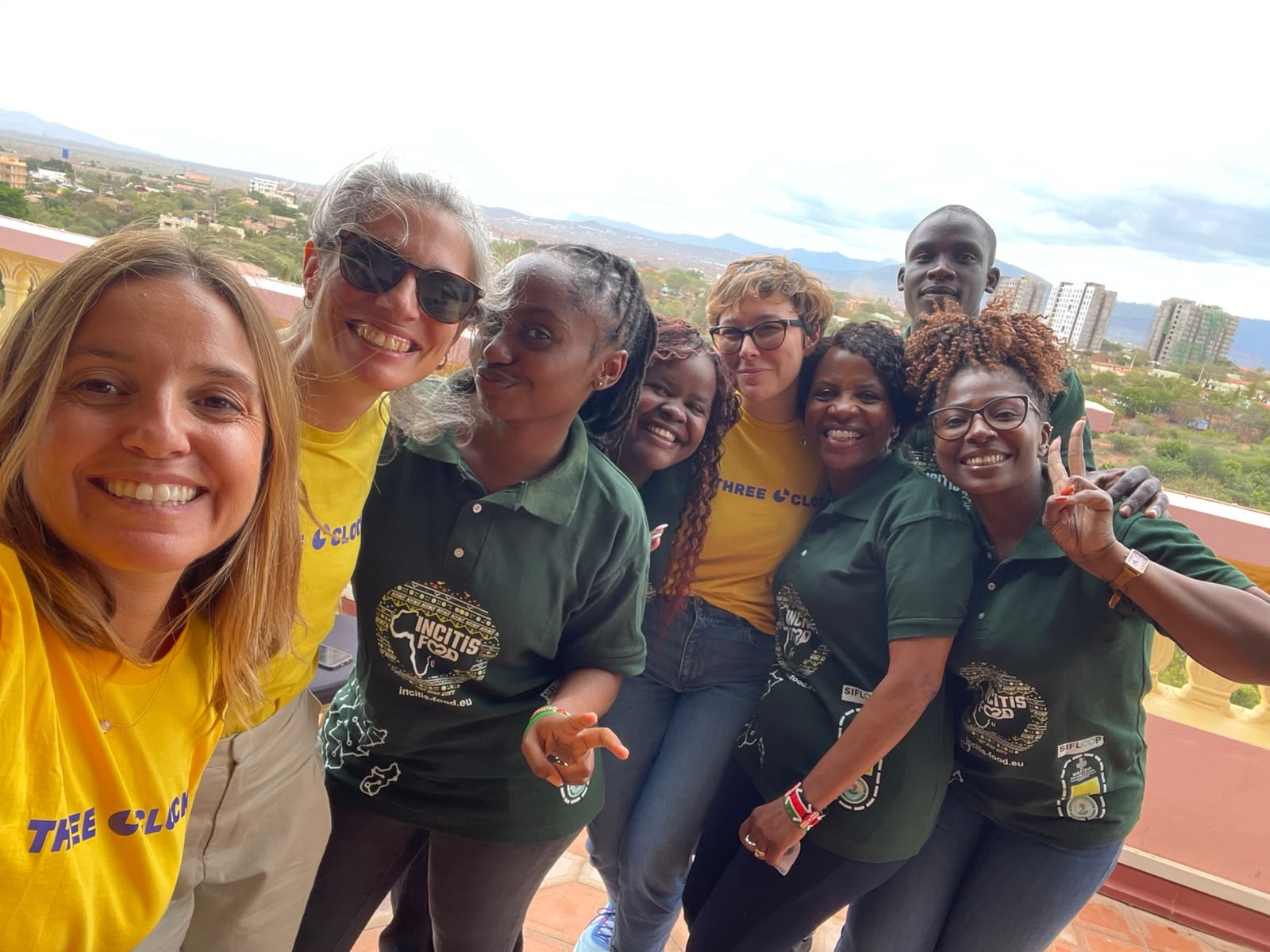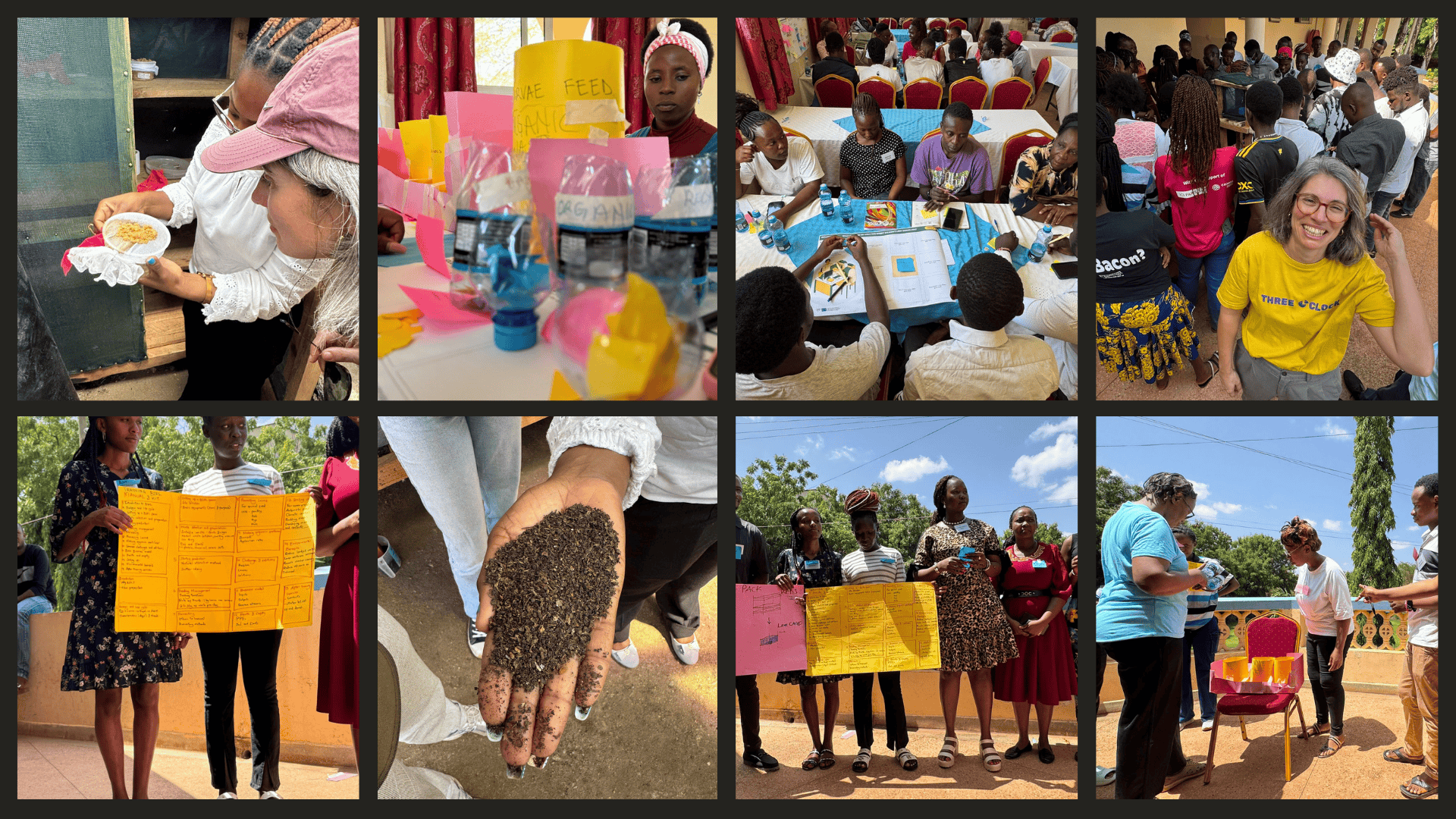
From 13 to 15 October 2026, we joined the TARGET consortium in Machakos, Kenya, to launch a 54-month project on antibiotic treatment for malnourished children with acute watery diarrhoea. Three o’clock leads the project’s policy recommendations, communication and dissemination work.
Why TARGET matters
Children with malnutrition who develop acute watery diarrhoea are among the most likely to die or be hospitalised in the months that follow. WHO guidelines don’t recommend antibiotics for watery diarrhoea, yet up to 75% of children with diarrhoea in high-burden settings receive them, often drugs that don’t act on the bacteria behind the illness. No trial has yet tested antibiotics in the children at highest risk.
TARGET will enrol 2,800 children with stunting or wasting at rural sites in Kenya and Tanzania, and test whether 3 days of azithromycin or ciprofloxacin reduces death or hospitalisation over the following 90 days.
What Three O’Clock will do
Over the course of the project, we will:
→ Run the TARGET website and communication channels, sharing the trial’s progress and findings
→ Map the stakeholders who shape how childhood diarrhoea is treated in Kenya and Tanzania, from ministries of health and national guideline bodies to health workers and communities
→ Interview stakeholders to understand how diarrhoea is currently managed and what influences treatment decisions
→ Co-create communication and awareness materials with communities at the trial sites, working with Community Advisory Boards so materials are locally relevant and culturally appropriate
→ Translate the trial’s results into policy briefs and materials for decision-makers, so the evidence can inform national and international treatment guidelines
More than a trial
The trial is at the centre of TARGET, but the same children, samples and sites will be used to answer five further questions.
Which children benefit most. Stool samples from every child will be tested for the germs causing their diarrhoea, including Shigella and genes linked to antibiotic resistance. The project will also evaluate a low-cost bedside test for hidden blood in stool, a sign of bacterial infection, to help health workers identify the children most likely to benefit from antibiotics.
Antibiotic resistance. Giving more antibiotics carries a risk of driving resistance, and TARGET will measure that risk directly. Stool samples collected at enrolment, after one week and after three months will be sequenced to see whether treatment leads to resistance genes building up, both in the bacteria causing illness and in normal gut bacteria.
Climate and health. The Tanzania Meteorological Authority will install weather stations at the study sites, recording temperature, rainfall and humidity alongside the children’s health outcomes. Combined with climate projections, these data will show how weather shapes diarrhoeal disease and whether the trial’s results are likely to hold in other parts of sub-Saharan Africa and under future climate scenarios.
How diarrhoea is treated today. A social science study will examine how health workers currently prescribe antibiotics for diarrhoea and how families decide when and where to seek care.
Research capacity. TARGET will run mentorship and short-course programmes, strengthening clinical trial capacity in Kenya and Tanzania so local researchers can lead future studies.
About TARGET
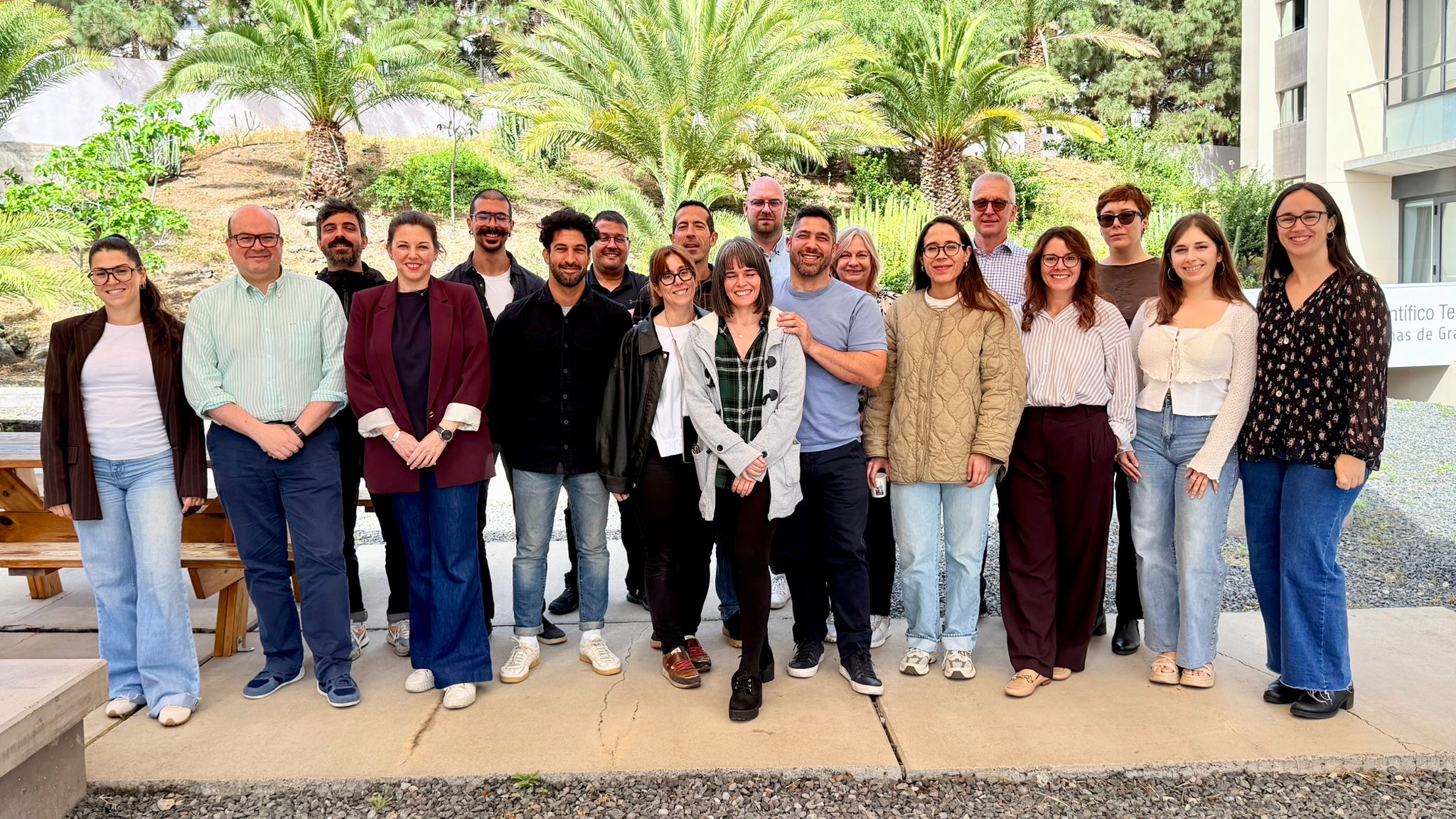
TARGET brings together Amsterdam UMC (Netherlands), the Kenya Medical Research Institute (KEMRI), the Evangelical Lutheran Church in Tanzania (ELCT) through Haydom Lutheran Hospital, the National Institute for Medical Research (NIMR, Tanzania), the Tanzania Meteorological Authority (TMA) and Three o’clock (France). The University of Virginia, Emory University and the University of Washington join as associated partners.
Follow the project at target-trial.eu
TARGET is funded by the European Union under Grant Agreement No. 101249026. The project is supported by the Global Health EDCTP3 Joint Undertaking and its members. Views and opinions expressed are however those of the author(s) only and do not necessarily reflect those of the European Union or the Global Health EDCTP3 Joint Undertaking. Neither the European Union nor the granting authority can be held responsible for them.