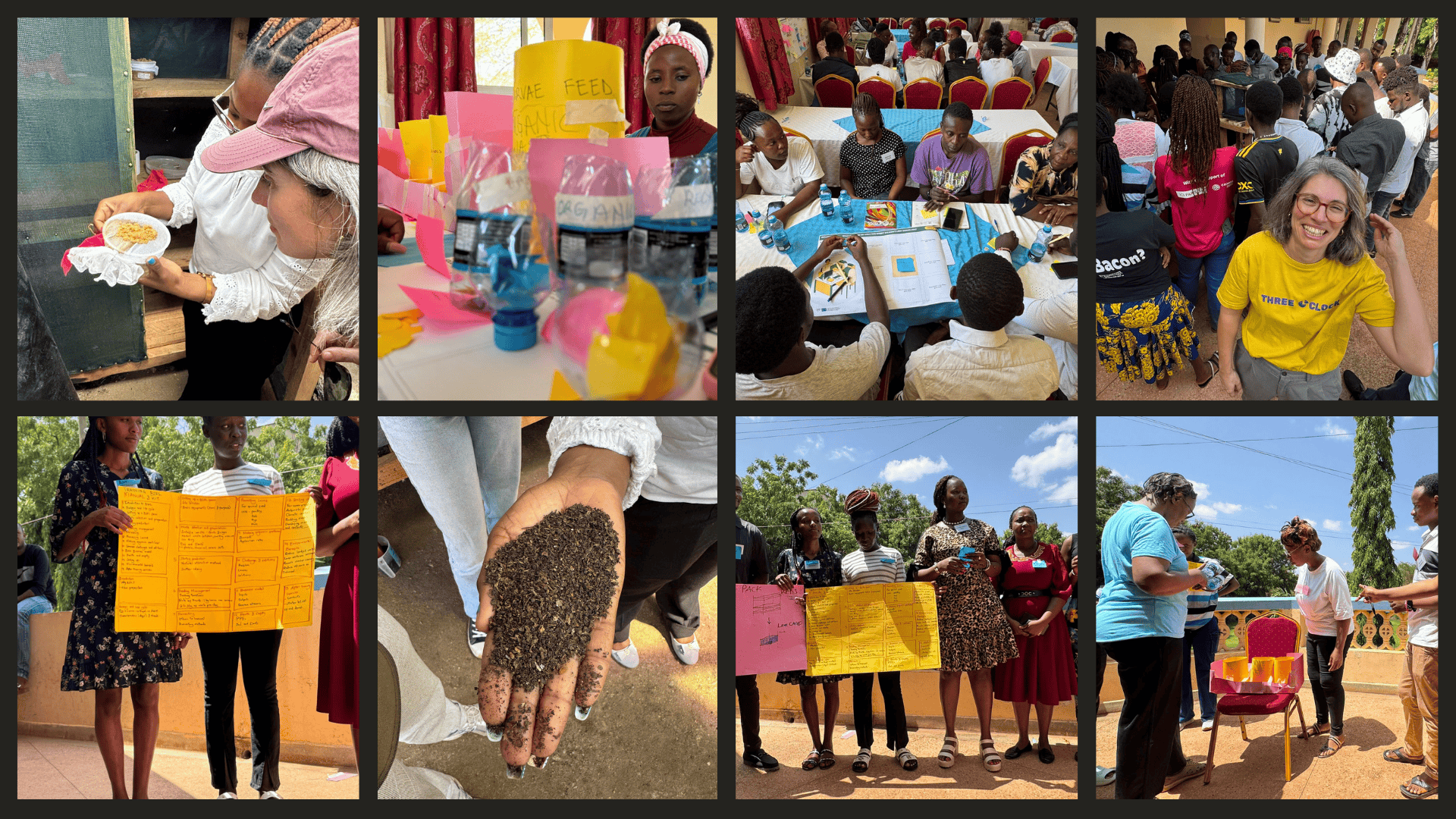
Last week the SIFLOOP project held its closing event in Voi, Taita Taveta County, Kenya. It set out to solve a local problem. Fish farmers in Taita Taveta County struggle to pay for fish food. Of the county's 1,000 fish ponds, 350 sit empty.
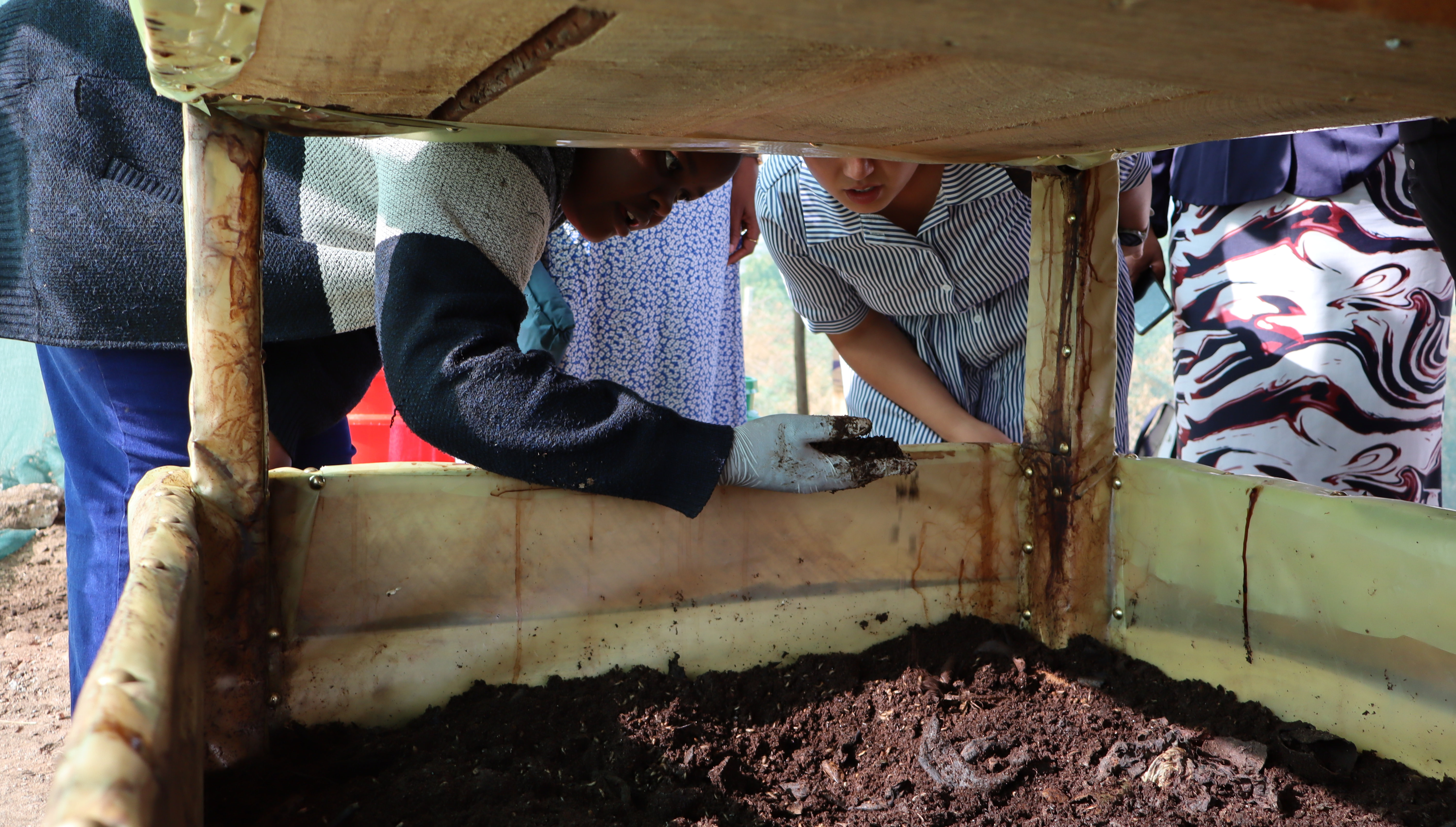
SIFLOOP organised a local approach. The project collected food scraps and other organic waste in Voi. It sorted out and fed that waste to the larvae of the black soldier fly. The larvae grow fast and are rich in protein, so they are ideal food ingredient for fish and farm animals. Even their droppings are useful: they could go back on fields to improve the soil.
The usual fish feeds have a cost for nature too. Fishmeal adds to overfishing, and soy and corn can drive deforestation and water pollution.
At the centre of the Project was the Dudu house, a local insect farm where the larvae are raised and where people come to learn.
Three partners ran it together. MAZIDO International, an NGO, led the project and hosted the farm. Taita Taveta University ran the research and training. Three o'clock supported design of the training, ran the workshops where local people designed solutions together, handled the branding and helped the partners work with local authorities. SIFLOOP was part of INCiTiS-FOOD, a programme funded by the EU's Horizon Europe.
What worked
The hub raised the flies through their whole life cycle, from egg to adult, in local conditions. It wasn't easy. Heat, rodents and seasons when the flies breed less all got in the way. When dried, the larvae were almost 40% protein. Over several months, the team harvested larvae and collected 264.9 kg of their droppings for the soil.
The team has made a first fish feed from the larvae and is now testing it on tilapia, a common farmed fish. The method works in real conditions at small scale (technology readiness level 5), but it isn't ready for wider use yet.
The waste supply came from people nobody had planned for. Early on, the team surveyed the area and found local waste sellers who weren't in the original plan. They became the hub's suppliers. Around 10 tonnes of organic waste a week now moves through these new connections.
Who took part
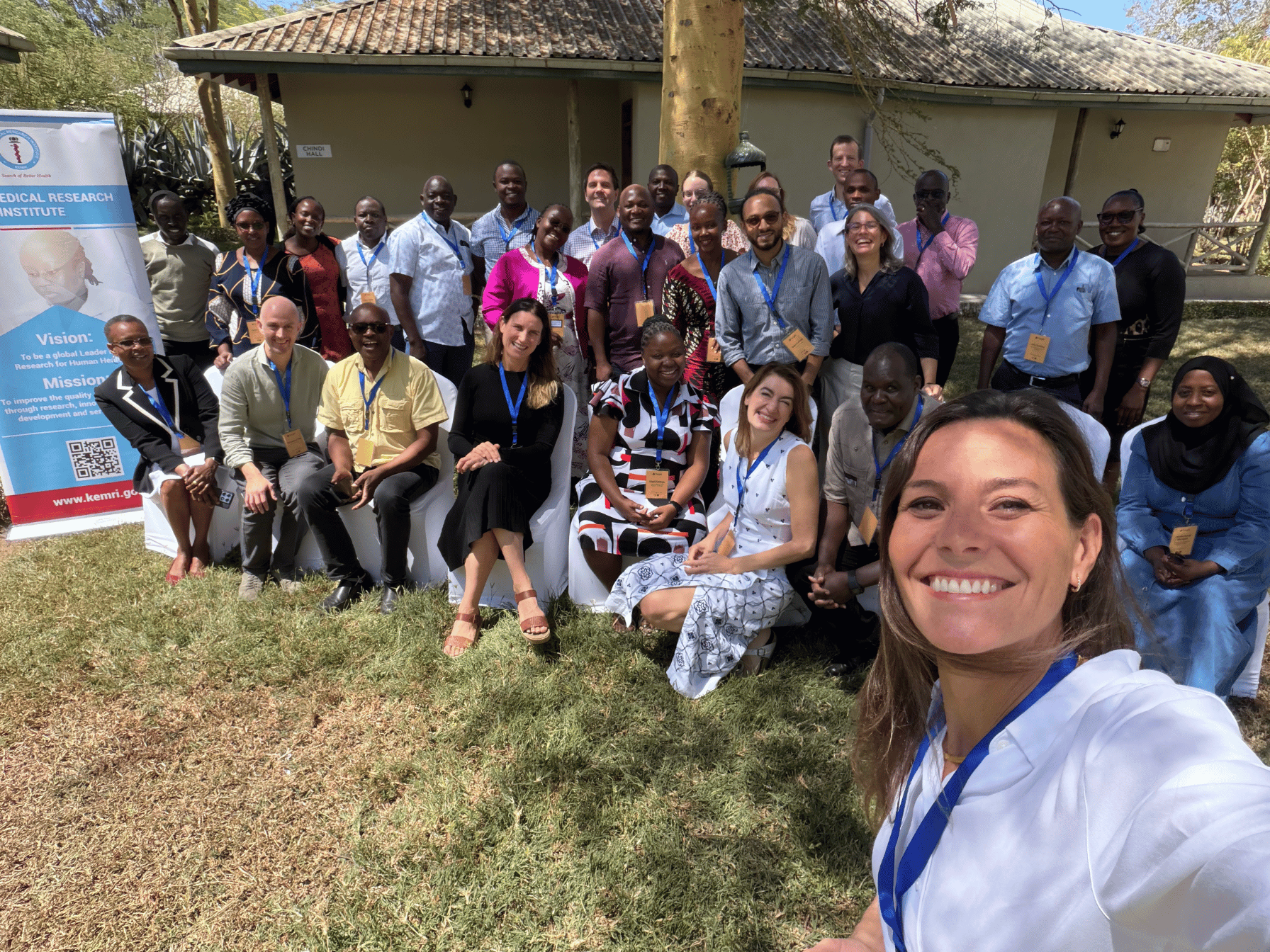
The project trained 144 people in insect farming and 75 in running a business. Another 61 joined a two-day bootcamp workshop to design solutions together. Women and young people made up a large share of every group. The co-creation workshop had 31 women and 30 men, and 47 of them were young people.
Five farmers started raising larvae after the training, before any test had shown the fish food worked. They trusted the process before the proof arrived. Now the group of farmers is setting up a cooperative, a business they'll own and run together, to keep the work going.
How a workshop reached county policy
The workshop ran on 13 and 14 February 2026 at Taita Taveta National Polytechnic in Voi. The county officials came for the welcome words and decided to stay and take part in the process. That was the moment the county government started to take the project’s evidence seriously.
Ideas from the workshop, along with the project's policy report (the SIFLOOP White Paper), are now informing the county's draft rules on managing waste. Three o'clock also helped plan the cooperative's business, helped steer the project and mapped out what happens after the funding ends.
"What made SIFLOOP work was not the technology alone but the community that shaped it. Farmers, students, researchers and county staff designed solutions together, tested them at the hub and adapted them to the climatic, regulatory, economic and social realities of Taita Taveta County. A cooperative is now on its way so that the community can take ownership of what it built. Personally, I leave with deep gratitude for everything this community taught us, and proud that our participatory approach supported such concrete outcomes." Marta Arniani, Strategic Designer, Three o'clock
Changes you can't count
MAZIDO now sees its work as connected parts of one system, rather than separate projects. It also sees black soldier flies as a way to deal with waste, not only as a farming idea.
Taita Taveta University says the project changed how it thinks about researchers and farmers working together. Two master's students presented their own research on SIFLOOP at the closing event, and their theses are in progress.
Writing it up together
The partners also wrote a research paper together for RSD15, a conference on systems thinking and design: Where Does Systemic Design Land? A leverage point analysis of the SIFLOOP Hub in Voi, Kenya. Five people from Kenya and Europe wrote it: Olga Glumac, Marta Arniani, Caleb Koton, Dolphine Kiwinda and Dr. Mwamburi Mcharo.
"I've led participatory design across many places, and SIFLOOP Hub showed me what a single year can do when trust comes first. Organic waste in Voi went from a problem someone had to get rid of to a resource people now go looking for. Farmers began rearing larvae before any trial had proven it would work. Researchers, county staff, students and our partners MAZIDO and Taita Taveta University built the hub together, step by step, through heat, rodents and failed batches.
Working from a distance taught me that you can't manage change from afar; you can only build it with people who share your passion and whom you trust to decide when you're not in the room. We didn't hand over a finished solution. We learned from each other how to make one. That is why SIFLOOP Hub matters for systemic design: lasting change doesn't come from the best method, but from collaboration strong enough that people own what they built. There is no finished project, only finished funding." Olga Glumac, Participatory Design Lead, Three o'clock
What comes next
Next: more fish food trials, setting up the cooperative, and supporting further training and collaboration with and for local people. Thank you to MAZIDO International, Taita Taveta University, the farmers, students, waste sellers and county staff who built this with us.
More on the project: SIFLOOP case study and our bootcamp recap.